The Top Jamaican Food in Denver for Flavor and Value
@becketthcny068
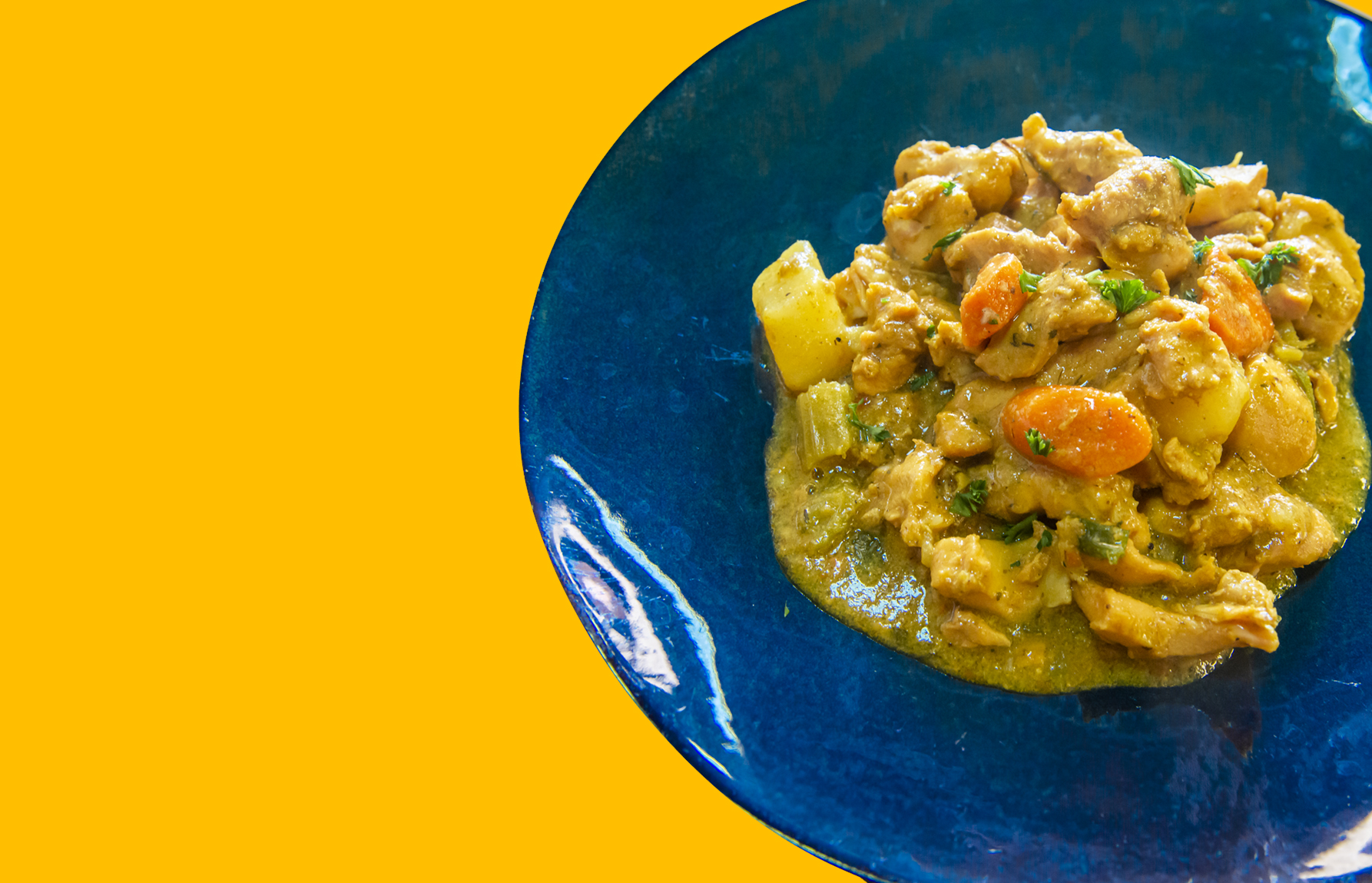
Denver is not the first city most people name when they talk about Caribbean cooking, yet the Jamaican food here can be deeply satisfying if you know what to look for. The best meals are not always the most polished, and they are rarely the cheapest item on the board. Value in Jamaican cooking works differently. A plate might look simple at first glance, then arrive heavy with rice and peas, tender braised meat, cabbage, plantains, and enough heat and spice to carry lunch into dinner.
That is what makes the search for great Jamaican food in Denver worth doing with a little care. You are not just looking for a restaurant that says “jerk” on the menu. You are looking for balance. Smoke without bitterness. Scotch bonnet heat without blunt force. Oxtail that tastes of time, not just seasoning. Curry goat with depth, not gravy poured over stew meat. Portions matter, of course, but so does whether the kitchen respects the foundations.
When people search for jamaican food denver, they are usually after one of two things. Some want a proper comfort meal, the sort of plate that feels restorative on a cold Front Range afternoon. Others want maximum flavor for the money, which often means finding the dish that gives the best combination of portion size, complexity, and leftovers. Those are not exactly the same mission, and the smartest way to approach Denver’s Jamaican options is to understand how the food behaves on the plate.
What separates a good Jamaican plate from a forgettable one
Jamaican cooking rewards kitchens that are patient and disciplined. You can see this almost immediately in the core dishes most restaurants use to define themselves. Jerk chicken, curry goat, brown stew chicken, oxtail, patties, rice and peas, fried plantains, and steamed cabbage all look familiar on paper. In practice, the gap between average and excellent is wide.
Take jerk chicken. Too many places lean on bottled seasoning or sugar-heavy marinades, then finish the meat on a flat grill and hope for the best. Proper jerk should taste layered. There should be allspice, thyme, scallion, garlic, and chile in the mix, but also the kind of char that gives the skin a dry, smoky edge. The spice should bloom after the first few bites, not punch you once and vanish. In Denver, where kitchens often have to adapt to equipment, climate, and customer expectations, that char is one of the first things I pay attention to.
Oxtail is the other major test. It is expensive to make well, which is why it often costs more than chicken plates by a noticeable margin. That higher price can still be a good deal if the restaurant gets the texture right. The best versions are glossy, rich, and sticky with collagen, with meat that yields easily but does not fall apart into shreds. Thin, watery gravy is usually a bad sign. So are tiny pieces that are mostly bone. You are paying for labor, cooking time, and a cut that has become increasingly costly. Value depends on whether the braise tastes complete.
Curry goat reveals something different. Goat should hold a little structure. If it has the exact texture of pot roast, the stew may have gone too far. If it is chewy and dry, the kitchen rushed it. The best curry goat has a rounded spice profile, a little earthiness, and enough body in the gravy to coat rice well without turning soupy. This is one of those dishes where leftovers can be excellent, which matters if you are trying to stretch your budget.
Even the sides tell a story. Rice and peas should be fragrant and distinct, not mushy, with coconut and savory notes in balance. Plantains should be caramelized and soft, not dried out. Cabbage should bring freshness and relief, especially on heavier plates. A restaurant that cares about these supporting pieces usually cares about the whole meal.
Denver’s Jamaican scene rewards attention to format
One thing I have noticed in cities like Denver is that Caribbean food often shows up in several different business models at once. You might find it in a brick-and-mortar dining room, a takeout-focused counter, a food truck, a shared commercial kitchen, or a hybrid space that does lunch rush and catering with equal seriousness. The format affects what you should order.
A sit-down spot with a larger menu may shine at braised dishes because those hold well and let the kitchen build flavor steadily through the day. A truck or quick-service counter may do especially well with jerk chicken, patties, and lunch specials because those items move fast and stay consistent under service pressure. Catering-heavy operations often excel at rice, cabbage, and tray-friendly mains, and that matters if you are ordering for a family rather than for one person.
This is part of why people sometimes have mixed experiences with the same restaurant. They order the wrong thing at the wrong time. A curry that tastes superb during peak lunch can feel tired near closing if it has sat too long. Jerk fresh off the grill is a different meal from jerk boxed up under a heat lamp. If you are chasing both flavor and value, timing is not a minor detail. It can be the difference between a good recommendation and a disappointing one.
Denver also has the usual local pressures. Rent is not cheap, labor is expensive, and imported ingredients can push food costs up. That means Jamaican restaurants often have to make hard choices. Some trim menus. Some keep prices down by emphasizing chicken over goat or oxtail. Some build combo plates that look generous because the sides are plentiful, which is not a problem if the sides are good. In fact, that is often where the smart value lives.
The dishes that usually give you the best return for your money
If your goal is to find the sweet spot between flavor and cost, certain Jamaican dishes tend to outperform others in Denver. That does not mean they are always the best on every menu, but they are the items most likely to deliver.
Brown stew chicken is one of the strongest value plays in Caribbean cooking. When done right, it captures a lot of what people love about Jamaican comfort food: deep seasoning, savory gravy, and tender meat, usually at a lower price than goat or oxtail. It may not sound as exciting as jerk, but it often travels better and gives a more complete plate.
Jerk chicken is another obvious contender, especially when you can order it with rice and peas and a side of cabbage or plantains. Because chicken is more accessible on the cost side, restaurants can often provide a hearty portion without charging luxury-meat prices. The trade-off is that jerk quality varies more than almost any other dish. When it is right, it is one of the best buys on the menu. When it is dry, the entire plate suffers.
Patties deserve more respect in the value conversation. A good beef patty, chicken patty, or vegetable patty is not just a snack. It is one of the quickest ways to test whether a kitchen understands seasoning. The pastry should be flaky, the filling should taste alive, and the heat level should match the style. Patties are also useful if you want to sample a place before committing to a full plate. That matters in a city where menus evolve and ownership or kitchen staff can change.
Lunch specials are often where Denver’s Jamaican restaurants quietly win customers. The portions may be slightly smaller than dinner, but they are often more than enough for one person. If the plate includes rice and peas, cabbage, and a drink, the overall value can be excellent. Some of the best repeat customers I know are not ordering the headline dish every time. They are ordering the dependable lunch combo that costs less, tastes balanced, and gets them through the day without regret.
Flavor is not just heat
A lot of diners reduce Jamaican cooking to spiciness, which misses the point. Heat is important, but it is not the whole structure. The real signature is interplay. Sweetness from plantains. Herbaceousness from thyme and scallion. Warm spice from allspice. Acidity from sauces or pickled sides. Smoke, savoriness, chile, coconut, and long-cooked richness all pushing against each other.
That is one reason a plate can feel expensive if the kitchen misses the balance. https://waylonwpsc250.cavandoragh.org/the-top-rated-jamaican-food-in-denver-to-try-today You can forgive a small portion if the food is vivid and coherent. It is harder to forgive a large plate that tastes flat. I have had Jamaican meals where the rice carried the dish, and others where the cabbage was the thing that made the spice feel measured and deliberate. On a good plate, every component pulls its weight.
This matters in Denver because the city attracts a broad dining audience. Some customers want gentle heat, others want the real thing, and restaurants often adjust accordingly. If you like assertive spice, it helps to ask. Some kitchens keep a hotter sauce or pepper preparation off to the side. Others build the heat into the marinade and do not modify much. Either approach can work, but communication helps you avoid the all-too-common problem of ordering “spicy” and getting food that is either timid or punishing.
How to judge value without obsessing over price alone
The cheapest plate is not automatically the best buy. Jamaican food is labor-intensive, and several hallmark ingredients have become more expensive over the years. Oxtail is the clearest example. Plenty of diners see the price and flinch. Sometimes they should. Sometimes the plate is padded with rice, light on meat, and carried by hype. Other times, the portion is fair, the braise is excellent, and the leftovers make the price easier to justify.
What I look for is a combination of five practical signals:
- The meat tastes seasoned all the way through, not just on the surface.
- The sides are made with intention, especially rice and peas.
- The portion fits the price and leaves you satisfied, not merely full.
- The dish holds up for takeout or leftovers if you are not eating immediately.
- The menu has at least one item that regulars clearly trust.
That last point is underrated. Every Jamaican restaurant has a dish that tells you what it wants to be known for. Sometimes it is jerk chicken. Sometimes it is curry goat. Sometimes it is a humble patty that locals grab by instinct. Watch what moves. Ask one direct question. “What do people come back for?” Good staff usually answer without hesitation.
There is also a practical trade-off between spectacle and substance. A restaurant that spends heavily on branding or a polished dining room may still serve very good food, but those overhead costs often show up somewhere on the menu. Meanwhile, a modest takeout spot can offer stronger value if the kitchen is disciplined. I have eaten outstanding Jamaican food from places where the room was forgettable and the plate was memorable. In this category, I will choose the plate every time.
Ordering smart in Denver
If you are new to Jamaican food in Denver, your first order should be strategic rather than ambitious. You do not need to sample everything at once. A focused order tells you more than a scattershot one.
Start with a signature main, a classic side structure, and one smaller item if available. That gives you a read on technique, seasoning, and consistency. A jerk chicken plate with rice and peas, cabbage, and a patty on the side is usually enough to judge a restaurant fairly. If you are feeding two or more people, adding curry goat or oxtail gives a useful contrast between grilled and braised cooking.
Here is a practical first-order approach that works well:
- Choose either jerk chicken or brown stew chicken as your baseline.
- Get rice and peas instead of plain rice if the option exists.
- Add cabbage or plantains, ideally both if the portions allow.
- Include one patty to test the pastry and filling.
- Save oxtail for a second visit unless it is the house specialty.
That last bit is not about avoiding the good stuff. It is about learning whether the kitchen deserves the premium order. If a place cannot execute chicken and sides properly, the expensive braise is unlikely to rescue the meal.
For takeout, I lean toward braised dishes. Brown stew chicken and curry goat usually travel better than jerk, especially in Denver weather where a short drive can cool the food quickly. If you are dining in, jerk rises in the rankings because it benefits most from immediacy. Crisp edges and fresh smoke fade fast in a closed container.
What locals often get right
The people who consistently find the best Jamaican food in Denver tend to do a few simple things well. They order from places that specialize rather than trying to be all things to all diners. They do not assume the most expensive dish is the only authentic choice. They understand that a plate designed for lunch can be a better buy than a combo overloaded with starch. Most important, they return to places that stay consistent.
Consistency is the hardest part of restaurant cooking, especially for cuisines built on marination, braising, and prep that begins well before service. A kitchen can have one great day. A strong restaurant repeats itself. The rice tastes the same week to week. The curry has the same depth. The jerk carries the same spice profile. In a city where restaurants open, rebrand, and adapt quickly, that steadiness is worth rewarding.
Another local habit I respect is ordering for the weather. On cold or snowy days, oxtail, curry goat, and brown stew chicken just make more sense. The food meets the climate. In high summer, jerk with plantains and cabbage feels more lively. This may sound obvious, yet it shapes satisfaction more than people think. The right dish at the right moment feels like a bargain even when the price is not low.
Why Jamaican comfort food lands so well in Denver
Denver can be an oddly good city for hearty, spice-forward food. The altitude, dry air, and long winter stretches create a real appetite for dishes with moisture, warmth, and bold seasoning. Jamaican cooking answers that need beautifully. Rice and peas provide substance. Braised meats bring richness. Pepper and thyme wake everything up. Even a simple plate can feel generous.
There is also a social element. Jamaican food is built for sharing, for mixing sauces into rice, for passing plantains across the table, for arguing a little about whether jerk or curry wins the day. That spirit matters in a city where many diners still discover cuisines through casual group meals rather than formal occasions. The best spots understand this and portion accordingly. They want the plate to feel abundant.
For families and groups, this is where value becomes especially visible. A couple of mains, extra sides, and a few patties can feed more people than the menu price first suggests. Not every restaurant prices this way, but when you find one that does, it quickly becomes part of your regular rotation.
The best Jamaican food in Denver is usually the plate you would order again tomorrow
That may sound simple, but it is the right standard. Not the dish that impressed you once with sheer heat. Not the one with the biggest mound of rice. Not the trendy special that photographs well. The best Jamaican food in Denver, especially for flavor and value, is the meal that leaves no weak link on the plate and makes sense at its price.
Look for jerk with real smoke, not just seasoning. Look for braises with body and patience. Look for rice and peas that taste finished, cabbage that adds freshness, and plantains that feel like part of the meal rather than decoration. Pay attention to the places that feed regulars, not just first-timers. If the portions are fair, the seasoning is deep, and the food still tastes good ten minutes after pickup, you are probably in the right hands.
The Denver Jamaican scene may not be huge, but that can be an advantage. Smaller scenes often reward curiosity. A little discernment goes a long way. Once you know how to read the menu, spot quality, and order with purpose, finding excellent Jamaican food in Denver becomes less of a gamble and more of a pleasure. And when you land on the right plate, rich gravy, fragrant rice, sweet plantains, and all, the value is obvious from the first bite.
Reggae Pot Jamaican Grill
Address: 2243 S Monaco St Pkwy #104, Denver, CO 80222
Phone number: +17204102956
FAQ About Jamaican Food Denver
What is typical Jamaican food?
Typical Jamaican food features bold, vibrant flavors created by blending African, Taino, European, and Asian influences.
What is a famous Jamaican dish?
Ackee and saltfish is Jamaica's national dish, made by sautéing the soft local ackee fruit with salted cod, onions, tomatoes, and spicy Scotch bonnet peppers.
What food is most popular in Jamaica?
The most popular and famous food in Jamaica is Jerk Chicken, celebrated worldwide for its smoky, spicy flavor.